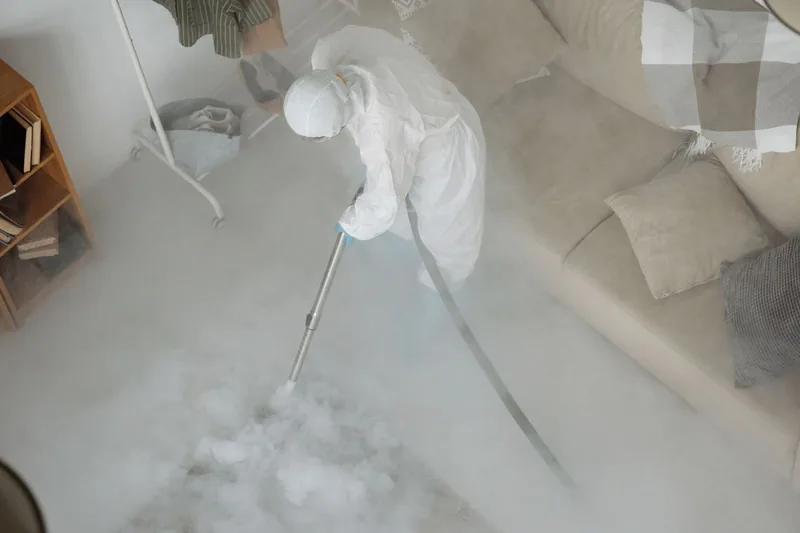
Biohazard Decontamination
Rooms, surfaces and air receive complete decontamination following infectious or hazardous exposure.
See biohazard decontaminationGet blood, bodily fluids and other infectious material removed from your home, business or vehicle. The affected area is contained, cleaned and disinfected, and contaminated waste is taken for proper disposal.
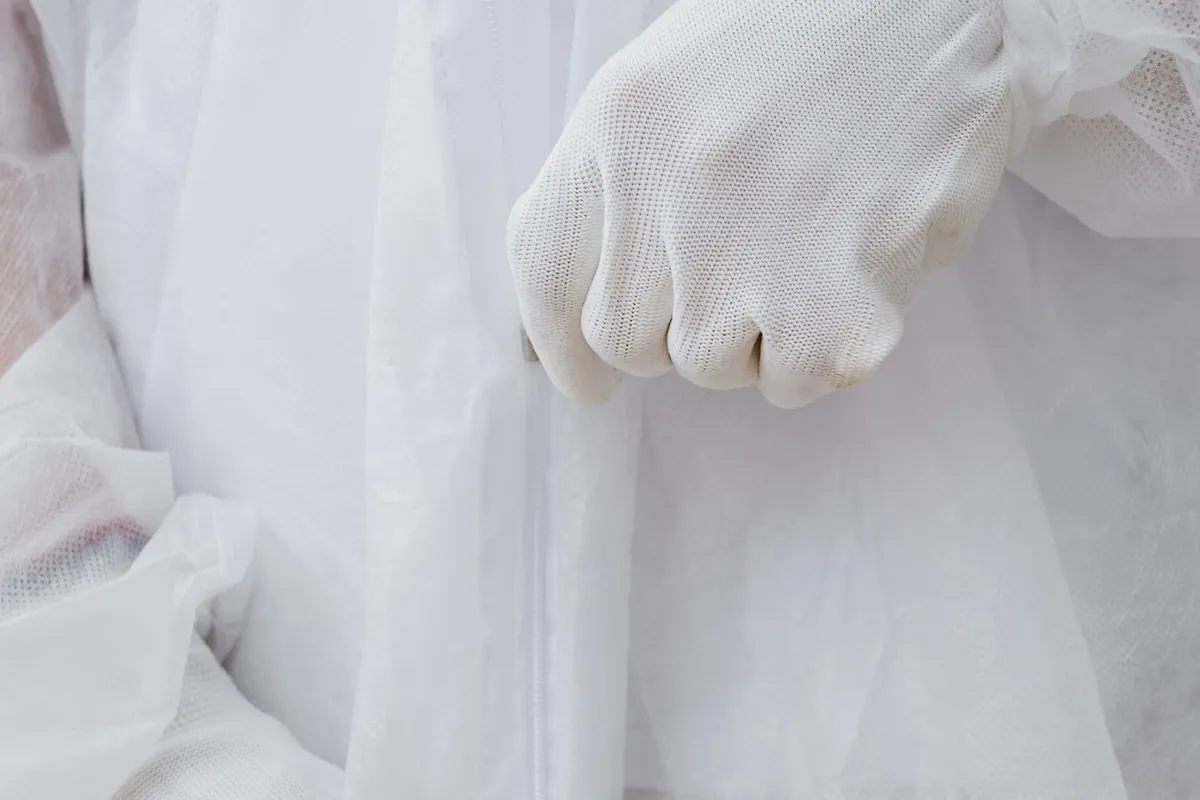
Biohazard cleanup is a controlled process for taking away potentially harmful biological material, including blood and bodily fluids, and cleaning and disinfecting the area it affected.
Biohazards may follow an injury or death, a crime scene, backed-up sewage, an infectious illness or extreme hoarding. They can occur outdoors or inside a vehicle, hotel, business, apartment or house. The aim is to control the surrounding space, locate all contamination, discard what cannot be cleaned and disinfect everything suitable to remain.
Biohazard work goes beyond normal housekeeping. Protective equipment, restricted work zones and material-specific products are used by trained technicians. They leave EPA-registered disinfectants in place for the label's required contact time. The contaminated waste is not tossed uncontained into household bins. State requirements guide how it is sealed, marked and transported.
Discretion protects your privacy during the work. Crews arrive in unmarked vehicles and limit the work zone so attention stays away from your property.
Personal property is reviewed with you when conditions allow. Valuable belongings are set apart for safe return, specialized attention or cleaning.
You receive an explanation of affected materials, items that can be kept, necessary removals and proposed cleanup steps before work begins.
Photos, the work scope, invoices and available disposal records can be organized for your insurance claim and property file.
You may need biohazard cleanup when attempting normal cleaning would risk contact with bloodborne pathogens, contamination or infectious material. Typical situations include:
Hoarding cleanup services can be needed if household items are mixed with sharps, spoiled contents, human waste, animal waste or other contamination.
Death cleanup may address bodily fluids, damaged material, lingering smells and belongings remaining in the room once the medical examiner, coroner or law enforcement releases the property.
Crime scene cleaning begins only after the scene is released. It can include blood cleanup, fingerprint powder removal, disinfection, waste disposal and odor treatment.
Blood may reach floor joints, grout lines, carpet padding and surrounding items. Treatment covers the affected area completely because a biohazard cleaner examines more than the visible stain.
Prevent anyone from touching the biohazard, and stop contamination from traveling beyond the affected space. As you arrange professional cleanup, take the following steps:
Call (888) 440-9227Published guides show a wide spread for biohazard cleanup because no two jobs match. Fixr gives $3,000 to $5,000 as the usual figure across the country. At the low end, jobs start near $1,500 while large ones run to $25,000 or more. Use these as a starting reference only. An assessment of materials and disposal fixes your actual price.
These national ranges are taken from published cost guides, rather than a property visit. You learn what your property will cost after the on-site assessment and before any work begins.
Ask about cost: (888) 440-9227Insurance may cover biohazard cleanup when the cause is included in your policy, but coverage depends on the event, exclusions, limits and deductible.
Washington's Crime Victims Compensation Program, run by the Department of Labor and Industries, does not pay for crime scene cleanup, so victims of violent crime should ask what it does cover. Insurance is usually checked first.
Responsibility may vary according to the location, what caused the event, applicable rules and the rental agreement. Renters and property owners should photograph or document the area, then notify their insurers before relocating items.
Tell your insurance company what happened, then ask whether coverage includes restoration, personal property, cleanup and damaged building components. Save your claim number along with the adjuster's contact information.
Have your insurance company explain which documents you should submit. The adjuster may use photographs, invoices, waste records and a clear scope of work when assessing your claim.
The cleanup process is planned around the type of material, the surfaces it touched and the path it may have taken. Each step keeps contamination controlled while the property moves toward safe use again.
Cleanup technicians inspect the affected and surrounding areas, identify porous and non-porous materials, document conditions and explain the proposed scope to you.
The work area is separated from clean rooms. Technicians wear protective equipment matched to the exposure, and airflow may be managed if odors or particles might spread.
When carpet, padding, drywall, insulation, a mattress or unfinished wood absorbs contamination, affected sections may be cut away and placed in sealed containers.
The surface is cleared of visible soil before disinfectant is applied, allowing the product to make contact. Tools and methods are selected for each finish.
The cleaned surface is disinfected with an EPA-registered product and kept wet as long as the product label directs.
Air treatment follows removal of the material causing the problem. The choice of HEPA air scrubbers or another odor method depends on occupancy, the room and materials that remain.
The correct disposal route determines how waste is labeled and contained. What was removed from your property and its destination may be recorded.
A final check follows cleaning of the work zone. The final explanation covers completed cleaning, removed items and possible restoration that has yet to be done.
Call any hour. Your biohazard cleanup specialist answers the phone, describes what happens next and works with you on a start time.
A fast wipe may not make biohazard contamination safe. You could encounter infectious material, hidden spread below the surface or objects capable of causing punctures.
A person may find cleaning after death, major injury or suicide profoundly upsetting. You may stay away from the scene while workers using protective equipment carry out the cleanup.
Fluids may seep beneath molding, through carpet, between subfloor seams and behind finished wall surfaces. What you can see may not reveal the full affected area.
Blood can potentially contain HIV, hepatitis C or hepatitis B. According to the CDC, hepatitis B remains viable on surfaces for at least seven days, which means dry blood must still be cleaned and disinfected carefully.
Can you clean it yourself? A very small spill on a sealed, non-porous surface may be cleaned with disposable gloves and an EPA-registered disinfectant used for its full label contact time. Do not attempt cleanup when fluids reached carpet, wood, drywall or furniture, when sharps are present, or when you cannot tell where the contamination ends.
The time depends on the affected area, the materials involved and whether contamination is on the surface or below it. A small hard-surface cleanup may need one work visit, while several rooms, structural removal or persistent odor can require multiple visits and later restoration.
| Scene | Typical time on site |
|---|---|
| Small surface area | A single visit may be enough for evaluation, cleaning and disinfection |
| One room with porous materials | The removal and cleaning process, including odor work, may extend beyond one visit |
| Several rooms or structural contamination | Restoration follows cleanup as a separately planned stage |
The source must first be located and removed to address an odor. Covering it with paint, fragrance or a surface spray cannot resolve fluid inside wall cavities, furniture, nearby belongings, subfloor or carpet pad. Those possible locations need inspection before selecting a treatment for the air.
HEPA air scrubbers can remove airborne particles following cleaning and source removal. For odor that remains, options may include hydroxyls, another suitable method or ozone within an empty and controlled area. The right method is based on site conditions, material types and occupancy. If airflow might have moved odor beyond the room, HVAC vents and returns are also checked.
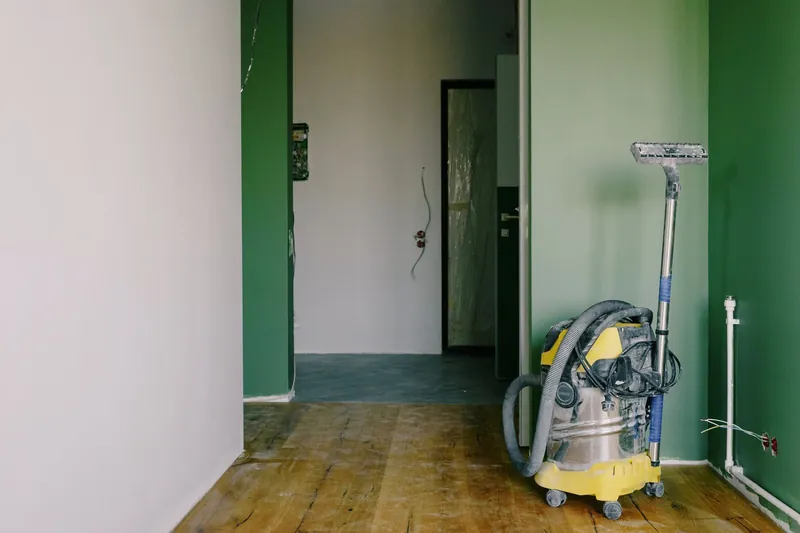
The OSHA Bloodborne Pathogens Standard, 29 CFR 1910.1030, covers training, protective equipment, exposure control and associated work practices where contact with blood is possible.
The chosen disinfectant must match both the surface and target organism. Proper use includes every direction on the label, such as pre-cleaning, dilution, protective steps and total surface contact time.
Washington's biomedical waste law covers human blood and blood products. The Utilities and Transportation Commission oversees companies that haul it, and local health departments set handling rules, so it should not go in household trash.
Washington has no single statewide office. Most counties use an elected coroner, while some larger counties use an appointed medical examiner or coroner. Cleanup starts after police or the medical examiner or coroner release the scene.
The full biohazard cleanup guide covers what is cleaned or removed, odor and air quality work, and the rules that apply in Washington and King County.
Read the full biohazard cleanup guide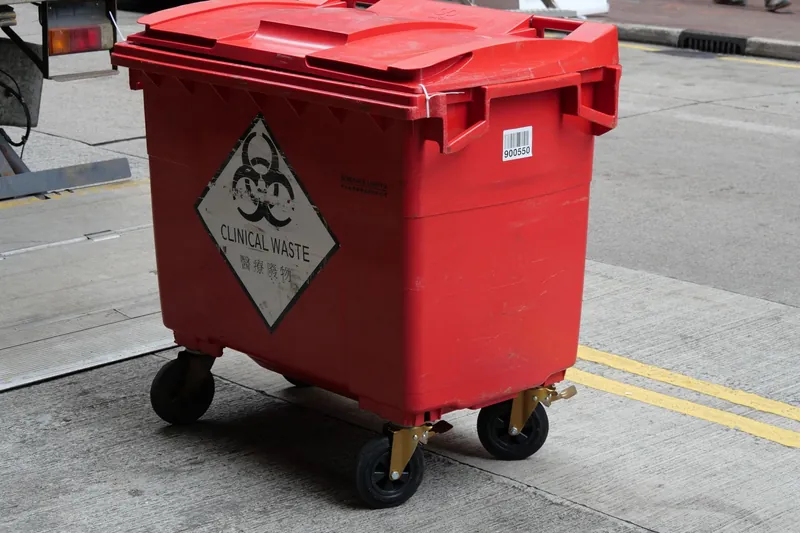
Local population patterns, housing and site access may affect how containment and cleanup are planned.
The approximately 6.1 mile trip to Kaiser Permanente Central Hospital matters when an injury must be assessed before anyone returns to the affected space.
With Crown Hill, Olympic Manor, and North Beach close by, a complete address and entrance details keep the visit private and easy to find.
In Blue Ridge, identifying the correct building entrance can reduce unnecessary movement through shared spaces during a sensitive cleanup.
Ask on the call about cleanup options for neighboring communities and ZIP codes.
Rooms, surfaces and air receive complete decontamination following infectious or hazardous exposure.
See biohazard decontamination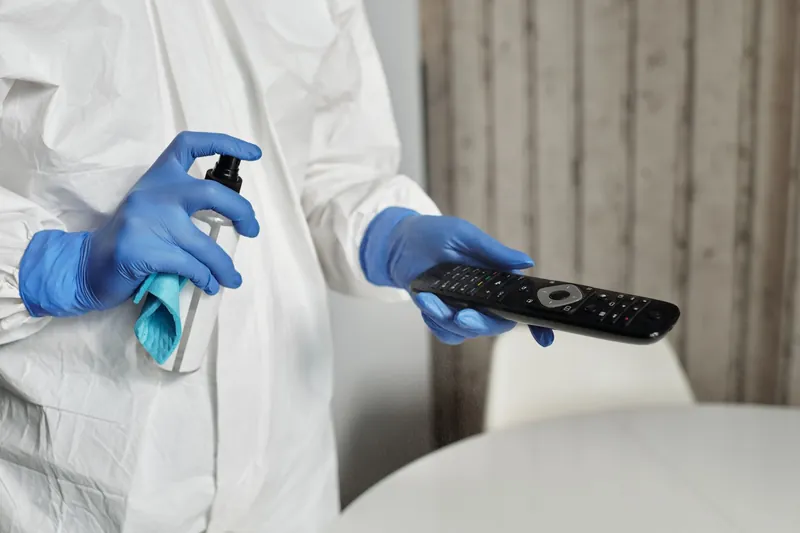
Biological remediation removes contamination so the space can be safely used again.
See biohazard remediation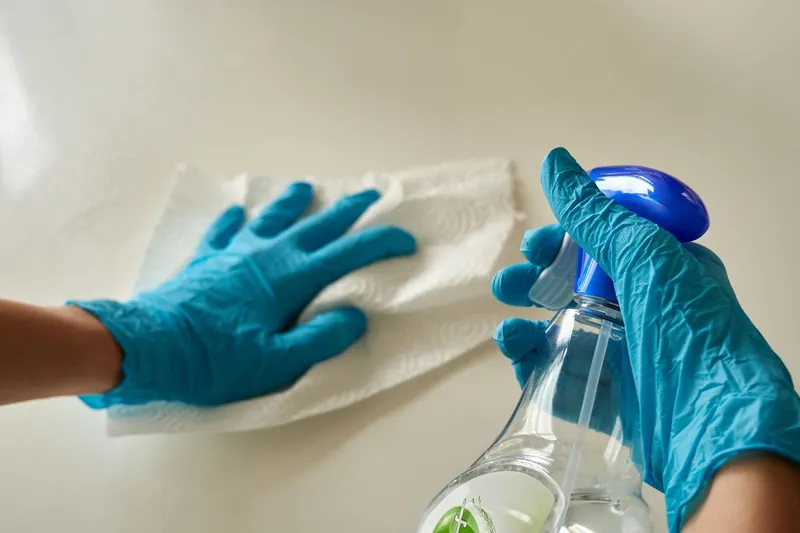
Walls, carpets, furnishings and hard floors receive blood cleanup, with safe disposal afterward.
See blood cleanup
Cleanup after an undiscovered death includes odor control and the effects of days of decomposition.
See unattended death cleanup
Following accidents, violence or injuries, trauma scene cleanup addresses the affected area.
See trauma scene cleanup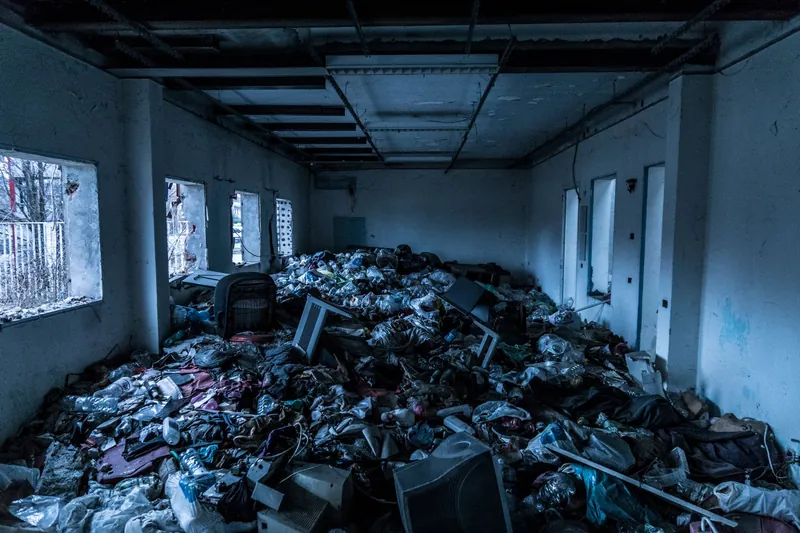
Hoarding cleanup combines respectful sorting, removal and deep cleaning.
See hoarding cleanup
Sewage cleanup removes Category 3 black water from raw sewage, then disinfects and dries the area.
See raw sewage cleanup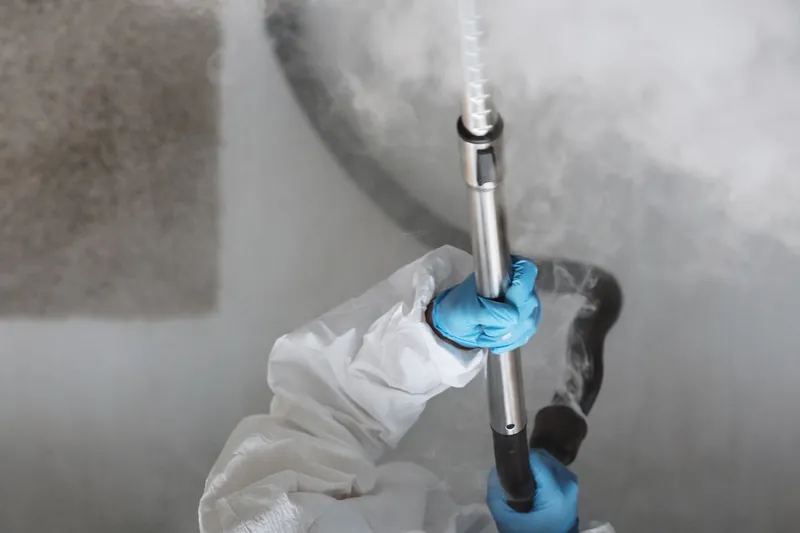
EPA-registered products are applied across all surfaces during infectious disease disinfection.
See infectious disease disinfectionThe amount of time needed depends on affected spaces, surface types and how widely liquids moved. A minor cleanup involving only a hard surface might take a single visit. Several visits can be necessary for persistent smells, multiple affected spaces or contamination in carpet, walls or the subfloor. After remediation ends, replacement of removed finishes may proceed on its own timeline.
Cleaning and disinfection may be possible for sealed hard furnishings when the entire affected surface is reachable. Soft furniture might require removal after blood or bodily fluids reach internal padding or the structural frame. Important personal items are reviewed with you when conditions allow, so washable or restorable belongings can be separated from contaminated waste.
You may be able to clean a few fresh drops from an undamaged non-porous surface by wearing disposable gloves and following an EPA-registered disinfectant label exactly. You should not begin if bodily fluids have entered furniture, drywall, wood or carpet, if any sharps are present, or if the entire affected area cannot be identified.
During controlled biohazard cleaning, visible soil and materials that cannot be disinfected are removed, remaining surfaces are cleaned, and suitable disinfectant stays on for its entire contact time. It also includes safe packaging and disposal of contaminated waste, plus odor work when the source has affected the air or porous materials.
The medical examiner, coroner or funeral home removes the deceased, but that does not include property cleanup. Once officials release the scene, arranging death cleanup falls to the owner, relatives, landlord or another person responsible for the property. By using a biohazard cleaning company, loved ones can stay outside the room while odor, disposal, bodily fluids and contaminated materials are addressed.
Yes, as long as cleanup identifies and removes the source of the odor. Before air treatment, cleanup may involve removing affected furniture, carpeting, padding, wallboard or another absorbent material. HEPA air scrubbing or a different appropriate odor treatment can follow cleaning and disinfection, with checks of adjacent vents when needed.
Crews carry out respectful, discreet biohazard cleanup, arrive in unmarked vehicles and take calls 24 hours a day.